
Clark Railworks C1031RIS LYR 'Pug' 0-4-0ST 1288 LYR Works Photographic Grey Steam Locomotive - DCC Sound


- Pre-Order


Product Details
| SKU | CRW-C1031RIS |
|---|---|
| Vendor | Clark Railworks |
| Categories | Best selling products Clark Railworks DCC Sound Fitted Ellis Clark L&Y Class 21 Pug Era 2 Exclusive to Rails HO-OO Locomotives New products OO Gauge Locomotives OO Gauge scale OO Gauge Steam Locomotives Pre-Orders Steam Locomotives |
| Scale | OO Gauge |
| Share | |
| Features |
|
Product Description
EXCLUSIVE TO RAILS OF SHEFFIELD
Initially outshopped in fully lined workshop photographic grey, No.1288 was built at the LYR’s Horwich works in 1895, part of a batch of five ‘Pugs’ built in that year.
Specification:
- Sprung buffers where appropriate
- Mostly die-cast construction
- Semi-open die-cast chassis
- Tank and cab variations
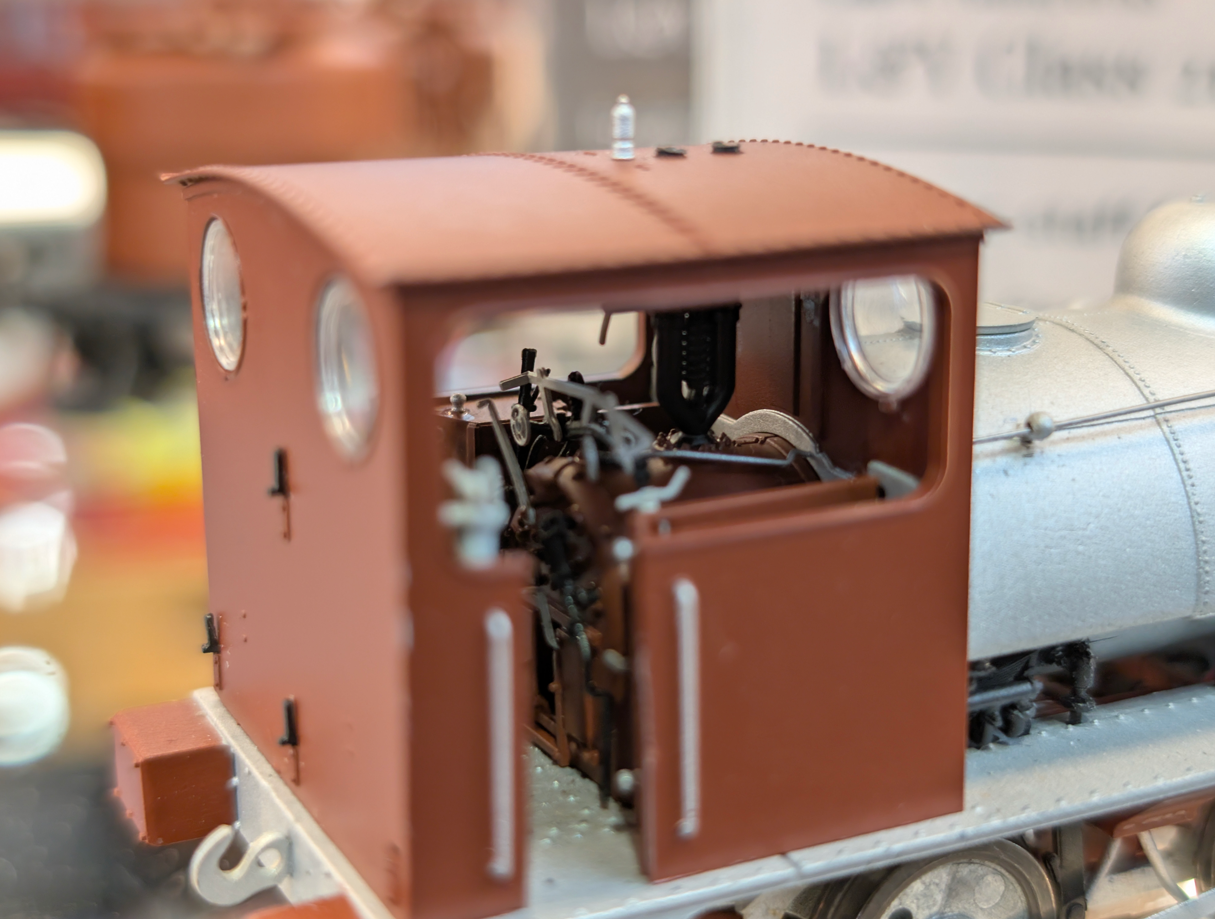
- Highly detailed backhead and cab
- Removable NEM coupling and pocket
- Space for EM/P4 Conversion
- Firebox glow
- Full detailing pack
- Etched plates and separately fitted finely etched detail
- Plux12 socket in ‘DCC Ready’ models
- Coreless motor with superior quality gearbox
History:
The Lancashire and Yorkshire Railway had some rather twisted outposts – twisted as in tightly curved, that is! The sprawling docks at Liverpool, Fleetwood and Goole all had extensive and sinuous railway systems, as did many shunting yards in the Manchester area. These demanded compact, short-wheelbase engines and until the later years of the nineteenth century employed a rag-tag selection of decrepit examples that were no longer fit for purpose.
When John Aspinall became the L&Y’s Chief Mechanical Engineer in 1886, he soon set about modernising – and standardising – the company’s shunting fleet. Aspinall’s first in-house 0-4-0ST emerged from Horwich Works in 1891, with a further 11 entering service that decade. A total of 57 L&Y ‘Pugs’ were scuttling about their business by the time construction ended in 1910. Initially known as ‘1153 Class’ (the number of the first engine), they were redesignated Class 21 in 1920.
All L&Y Pugs were inherited by the LMS in 1923, and it was during the Grouping period that they started to wander, slogging their little hearts out at factories and power stations from Somerset to Scotland. Pugs were resilient, and a lack of dinky diesel shunters meant that many worked into the 1960s.
Two L&Y Pugs survive today in preservation – one at the East Lancs Railway and the other just over the hills at Yorkshire’s Keighley & Worth Valley Railway.